Synopsis
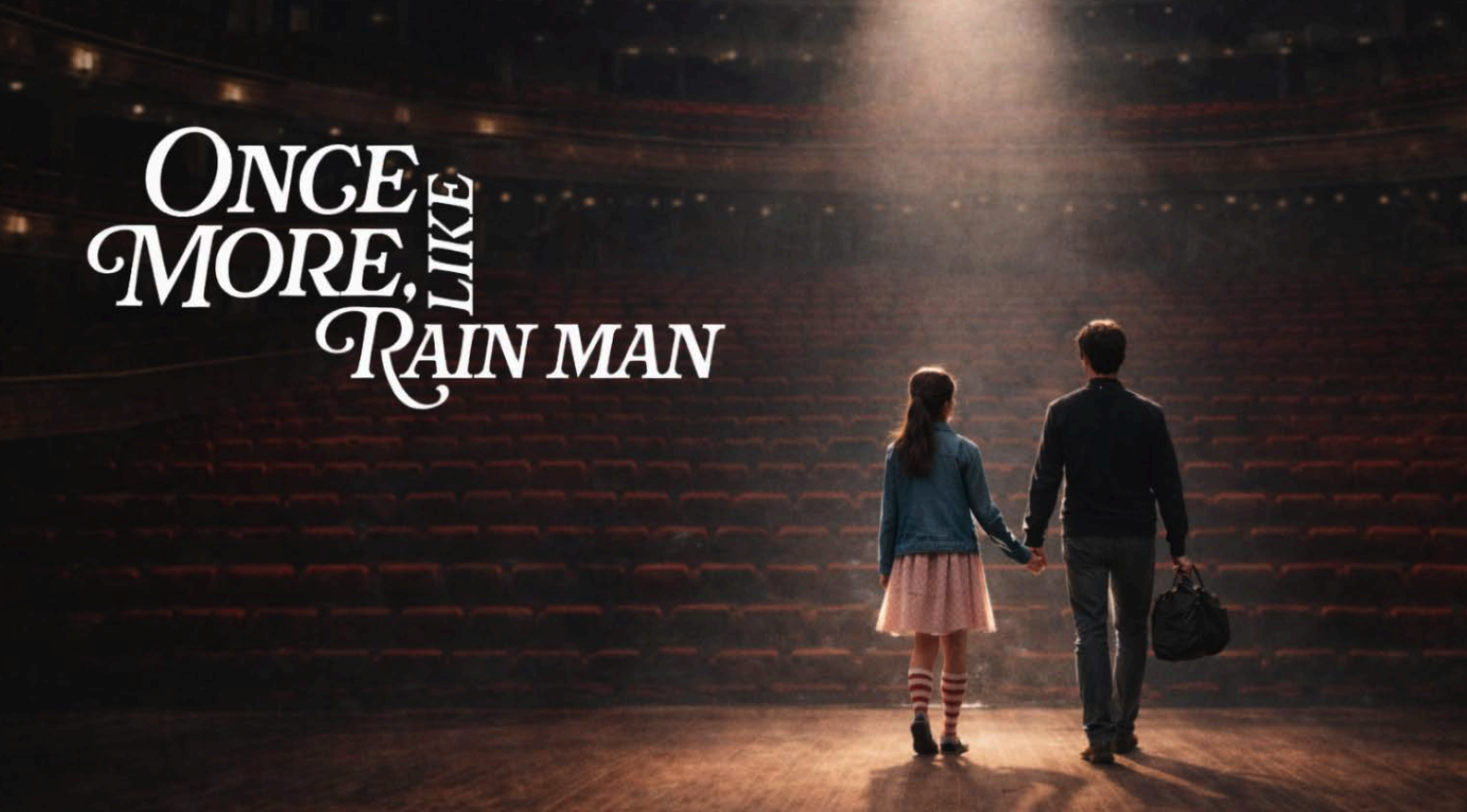
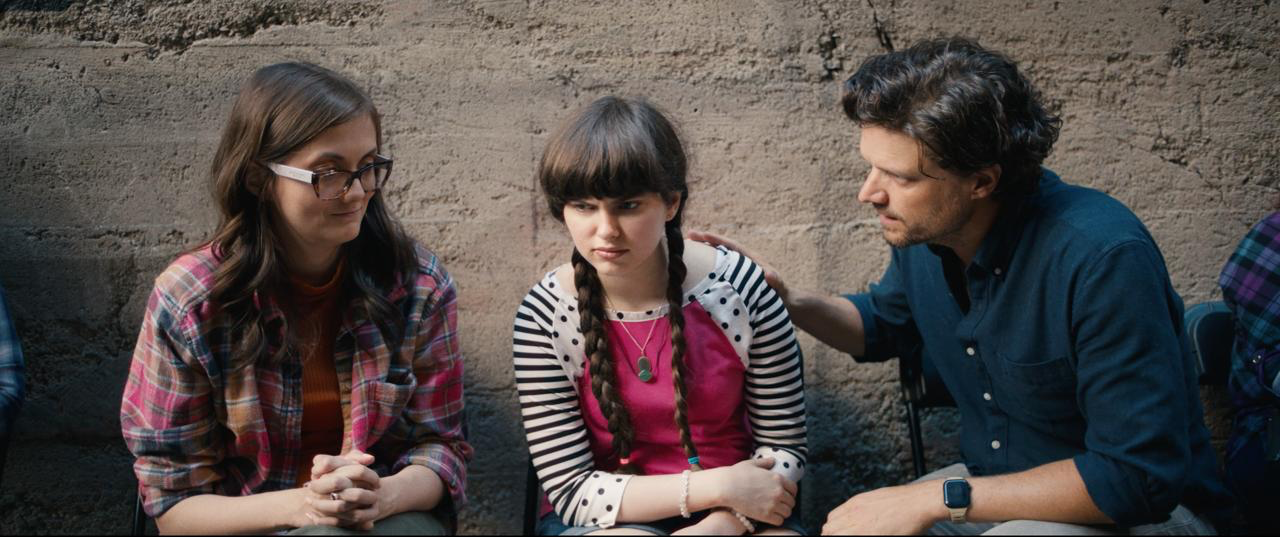
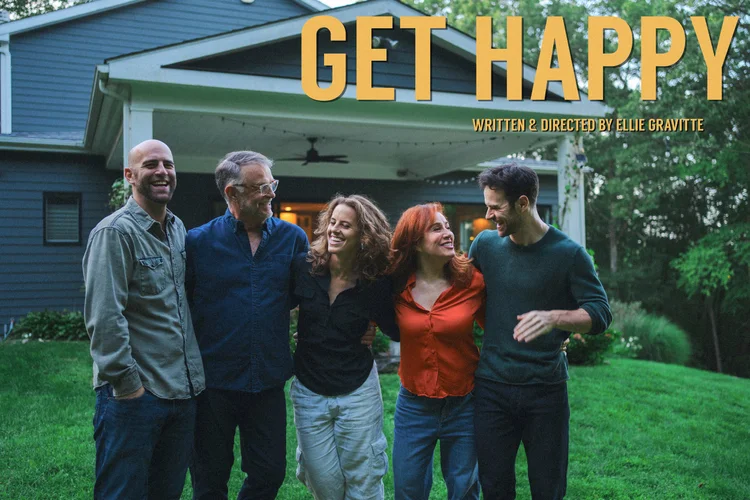
Zoe is sixteen, autistic, and impossible to ignore narrating her life in real time and exposing every truth adults try to hide. The story begins after a public family disaster, at her stepfather’s funeral, where Zoe exposes painful truths her family would rather keep buried. Unable — and unwilling — to understand her, Zoe’s mother Sheila sends her to live with her estranged father, Gerry Ford: a washed-up actor still clinging to his glory days. Their forced reunion becomes a comedy of survival as Zoe's raw honesty collides with Gerry's performative escapism.
Gerry’s mother, Grandma Penny, a retired, once-formidable filmmaker, has unfinished parenting of her own to do with Gerry, refusing to let him escape the responsibilities he abandoned years earlier. Her sharp tongue and commanding presence make her one of the few people Gerry cannot charm his way around. At the same time, Penny becomes an unexpected mentor to Zoe, recognizing in her not a problem to be managed, but a fiercely intelligent young woman who needs honesty, structure, and someone strong enough to stand beside her without asking her to become someone else.
As Zoe enters a new school environment, she is pulled into a high-pressure acting and drama competition. The competition becomes the central arena of the film, where performance, identity, and acceptance collide. Zoe meets Nya, a dry-witted and emotionally grounded classmate who becomes her first real friend, and Topanga, a polished rival who understands social status better than empathy. Ms. Della Rocco, the drama teacher, pushes the students toward theatrical excellence, while Zoe struggles with the deeper question of whether acting means expression — or pretending to be someone acceptable.
The film balances comedy with emotional truth. Zoe frequently breaks the fourth wall, narrating her life in real time and exposing the absurdity of adults who claim to know what is best for her while refusing to listen to her. At school, she confronts the confusing rituals of popularity, competition, and social performance. At home, Gerry tries to parent through charm, distraction, and old actor tricks, only to discover that Zoe cannot be managed with a performance. Meanwhile, Sheila continues pressuring Zoe to behave in ways that are easier for other people, reinforcing Zoe’s fear that love is conditional on how well she can hide herself.
As the drama competition approaches, Zoe begins trying to suppress her natural instincts in order to fit in. She studies the behavior of others, imitates what she thinks they want, and slowly loses touch with the direct, funny, fearless voice that makes her who she is. Gerry recognizes the emotional cost of this masking because he has spent most of his adult life doing the same thing — hiding insecurity behind applause, charm, and old fame.
Zoe and Gerry begin to build something neither of them expected. They are not magically fixed, and their family is not conventional, but they have stopped performing long enough to find each other. What begins as impossible, slowly becomes something real: a family
About the project
To escape her current predicament, Zoe enters a high pressure dramatic competition, that tests her talents and tolerance. As the pressure to "fit in" grows, Zoe must decide whether to play the role everyone expects, or stay true to herself. And she and Gerry must navigate how to truly become a father-daughter team, in a relationship not defined by disability, but acceptance, in a funny, poignant and sometimes painful, way. A fourth wall breaking character, Zoe is the first time an autistic person is portrayed as the heroine of a story, not just an obstacle, and the audience sees the world from her perspective. And although Zoe does not "cast aside" her autism to make some artificial change, she does come to realize that she is more than what the world expects her to be.
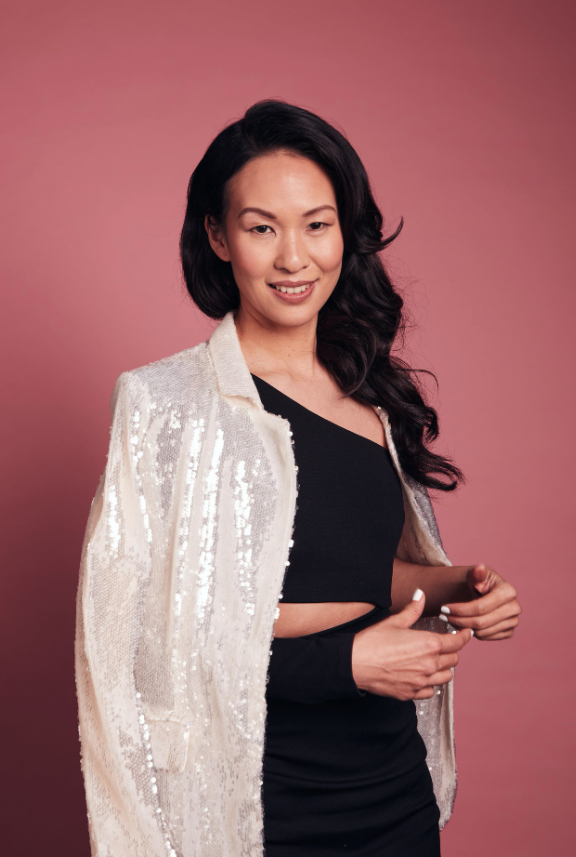
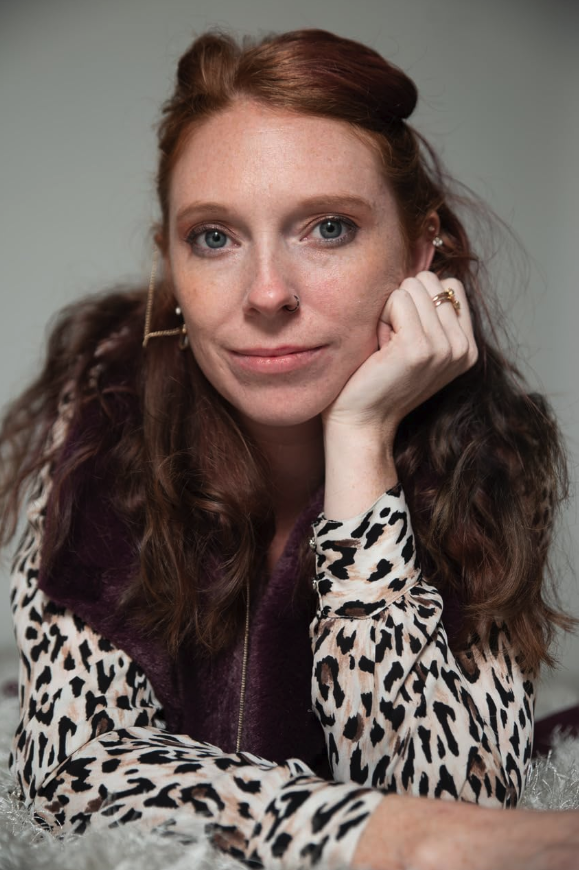
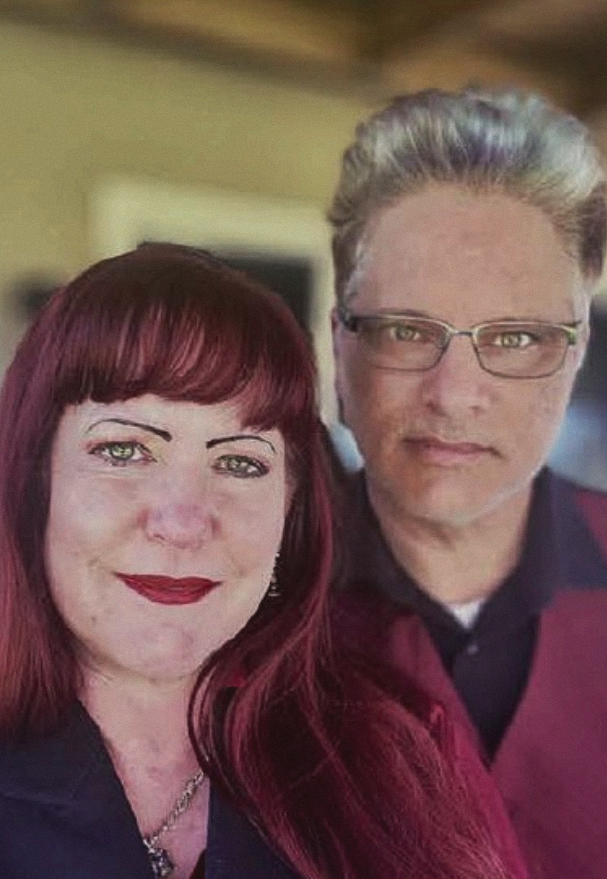
This story is about the masks we wear, particularly the masks people on the spectrum wear to be accepted in society. This movie is about getting honest with ourselves and being authentic in how we present ourselves to the world. It is about learning how to drop your expectations of others so you can meet them where they are at. Bella Zoe Martinez and Sue Ann Pien want to change the way people like them are perceived and how they are represented in media. This movie is the first film from the Autistic character's point of view, and it is an Autistic led production. Autism is a spectrum, not a one note representation.