Synopsis
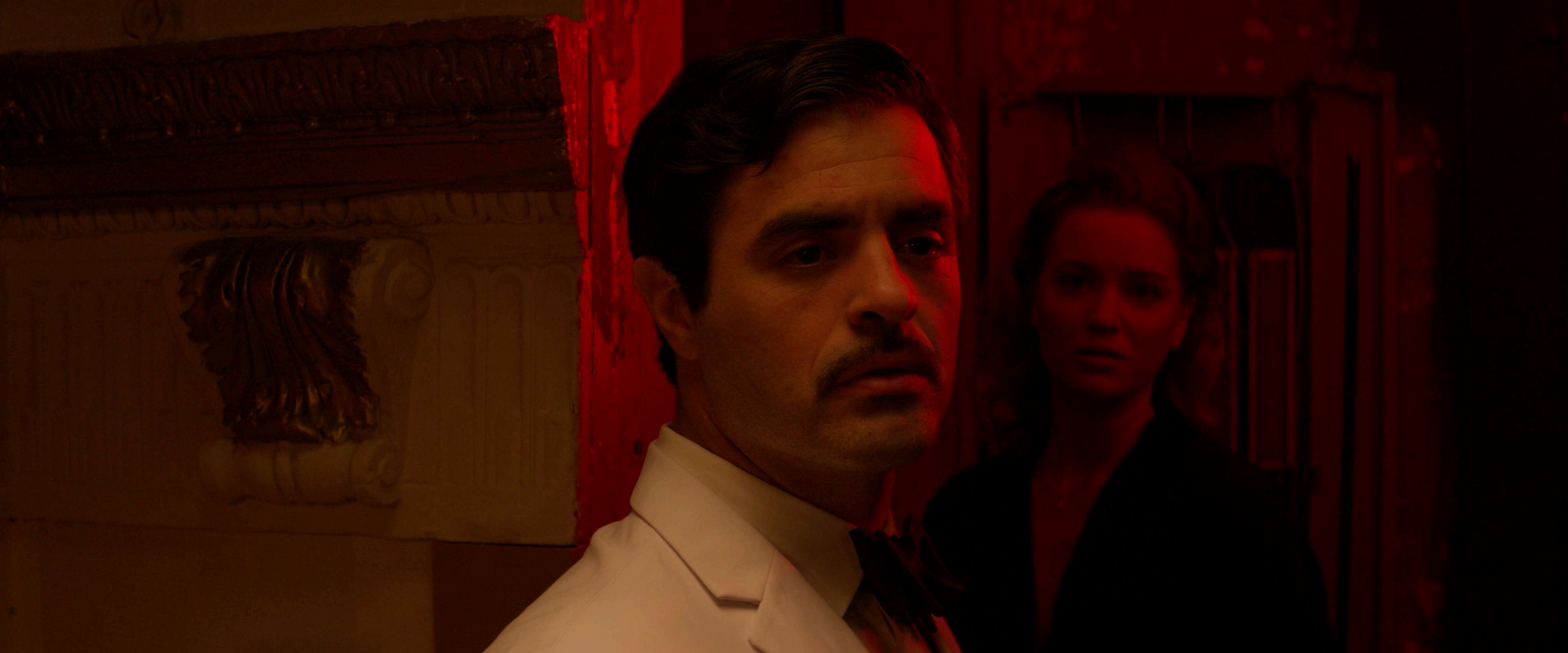
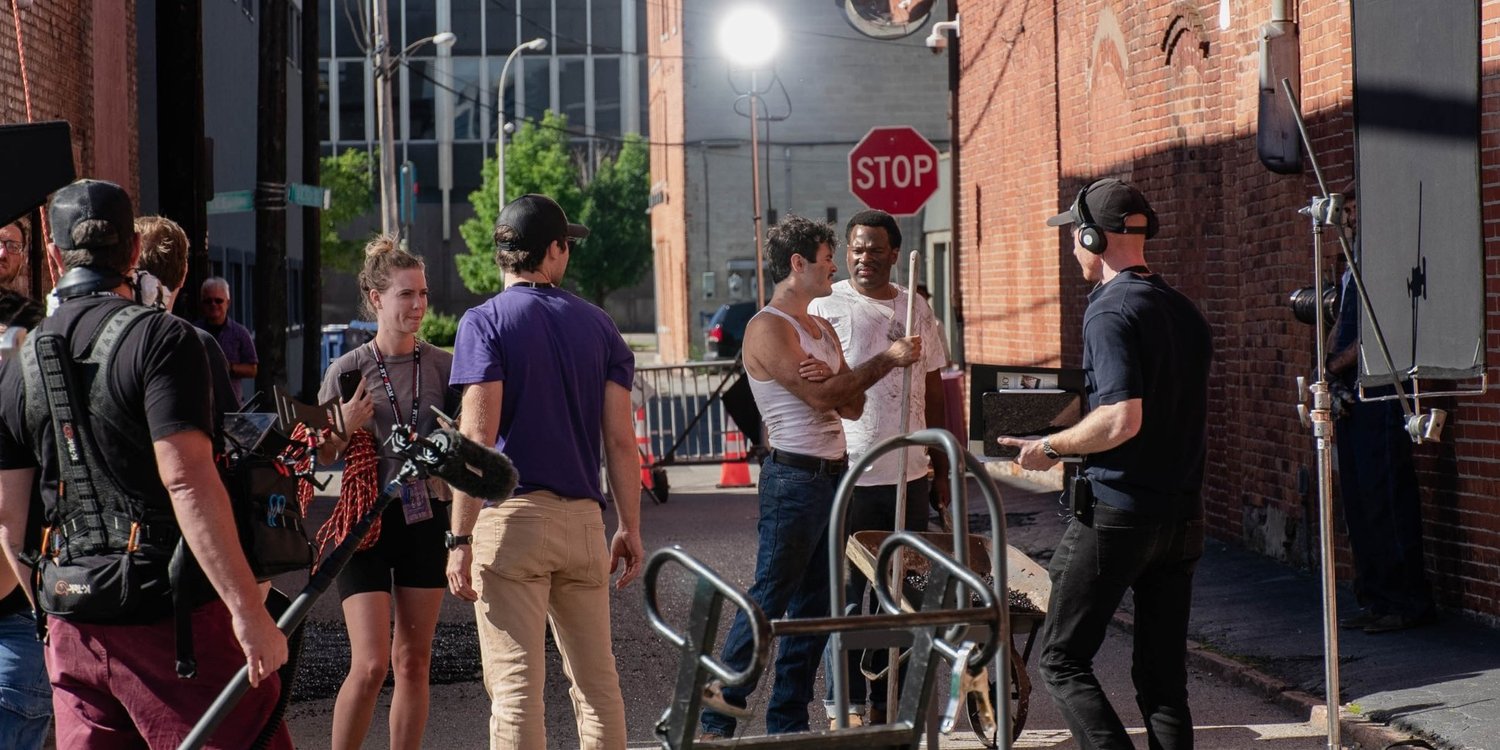
Buffalo, NY - 1964. Joe Marinaro supports his wife Caroline and their five children toiling as an asphalt laborer, but has big dreams of becoming a famous jazz crooner. Joe’s got an opportunity to record an album with an established producer in NYC, but he’s $10,000 short.
He goes to the mafia, but his point-person’s dead. He goes to his priest, but is denied his “worldly” pursuits. By the time Joe’s laboriously accumulated the funds by his own hand, his window of opportunity has passed.
Joe's youngest son Paul, obsessed with the piano, can't seem to get the attention of his ever-distracted father. Eventually, Caroline shakes him out of his dejection, and reminds Joe to sing, not for fame, but for the love of it.
With new resolve, Joe croons the newly released hit by Dean Martin, "Everybody Loves Somebody Sometimes," as he rakes asphalt. Joe's voice catches the passing ear of a music promoter named Angelo, who offers him an opportunity to be the last-minute opener for Jerry Vale at a renown venue in town.
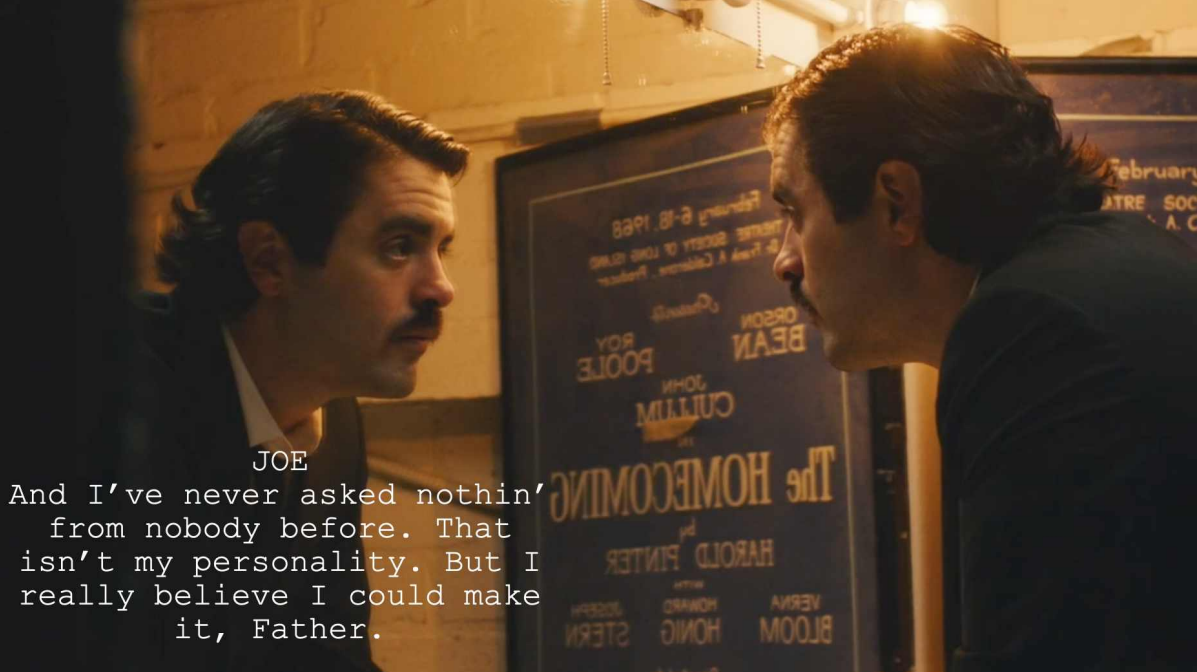
Angelo meets Joe in his dressing room for a pre-show pep talk, and informs him that some industry movers and shakers are in attendance. This is it, his shot. Just before the MC calls him to the stage, his rough-around-the-edges friends and family begin chanting his name. Joe, lost in the ecstasy of the moment, doesn't realize Vale conspiring in the wings. Feeling upstaged, Vale gets Joe sent back to his dressing room... "schedule changes."
Joe's expectation to perform diminishes from song to song, until the silence from the dressing room monitors confirm his dreaded reality. It's over.
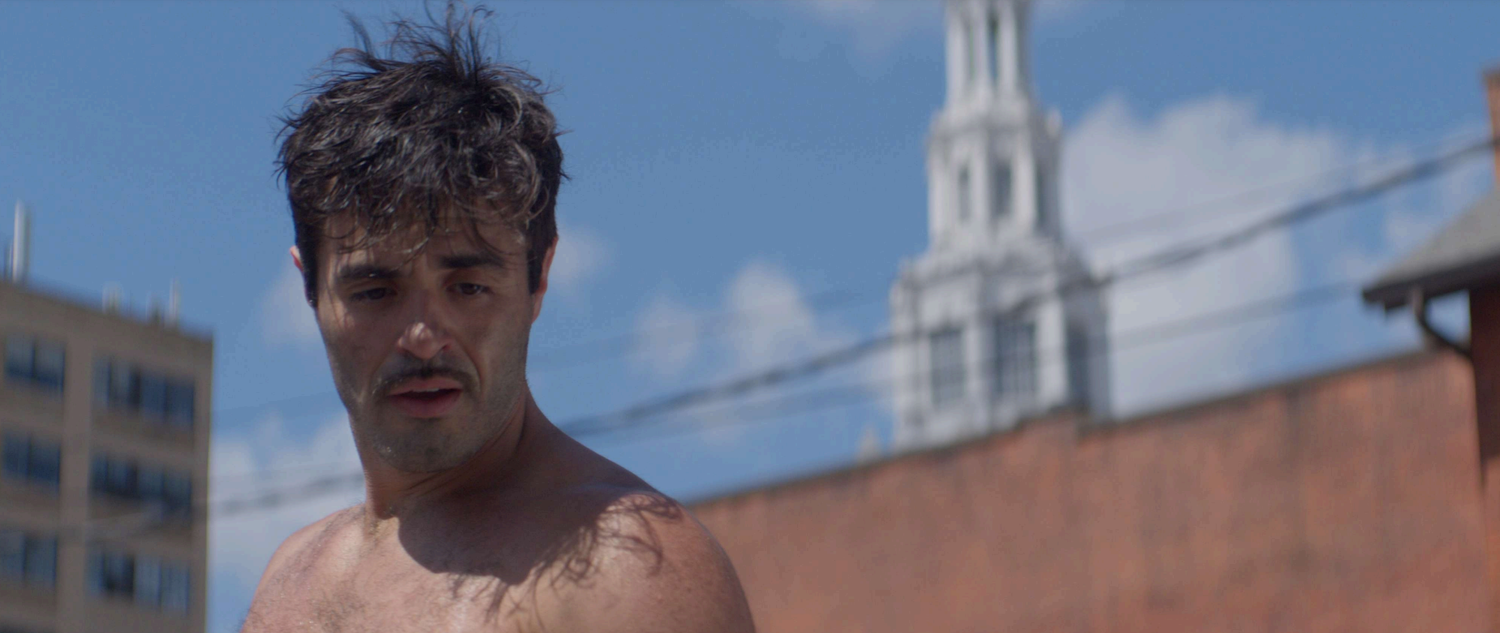
Back to work, Joe violently scrubs a curb as he comes to terms with the death of his dreams.
Later, Paul hops on the piano and clunks out "That Old Black Magic." Joe, moved by his son, joins him at the bench and plays with him, passing his dream to the next generation.
Paul, now an adult, addresses a full house from the stage at a jazz club and counts the band in.
About the project
My grandpa's dream was to be a singer. When he was young, he went to a voice conservatory to hone his craft. The son of Italian immigrants, he was dedicated. He was a dreamer. As I knew him, he still held an intense passion for this late dream (he would get choked up whenever he talked about it). The events in the film are all fundamentally true stories.
Isolated, this might appear to be a tragic story of an unfulfilled aspiration. But if you zoom out, it's easy to see Grandpa's creative spirit living through the subsequent generations that followed. My Uncle Paul is a jazz singer in Chicago (his music is featured in the film). My mother is the lead singer of a wedding band. My cousins are scoring the film.
I wanted to tell this story to reintegrate a kind of daily gratitude for the sacrifices of those who came before us; to share a family history that I'm proud of; to challenge the common notions of what it means to "make it;" and to promote the optimistic idea that all of what we do--the failures and the successes-- are not for naught.
This film is for anyone who has ever had a dream, and in a world where art continues to be undervalued, we all could use some encouragement.